

The Abbey – Reading’s oldest landmark is it’s newest attraction
Reading Abbey is open again, you can explore the ruins and enjoy events now hosted there. It was closed back in 2009 as the ruins were no longer safe for the public. Thanks to a three year, £3.15 million conservation project, the abbey is now able to reopen. It has returned as a hub for the community and family events right in the centre of Reading. With outdoor theatre productions, poetry workshops, teddy bear picnics and much more; you’d be a fool not to check their website to find out what’s on.
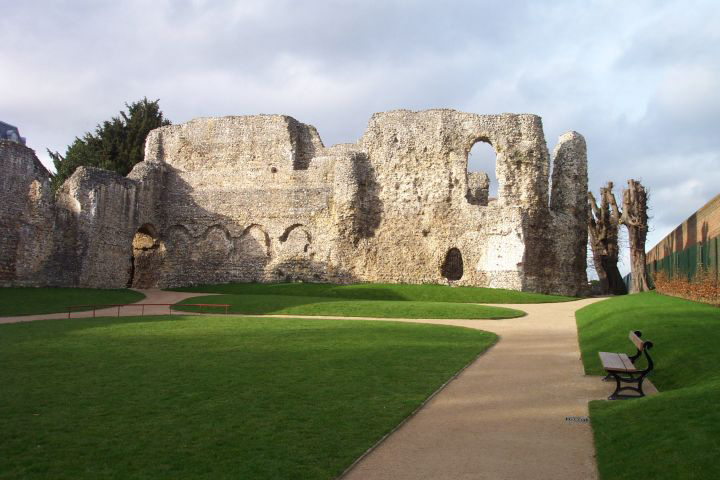
Ⓒ creative commons license. Image photographed by Christopher J Wood
The abbey is one of the oldest, most important historical sites in Reading. Founded in 1121 BC it’s a fascinating and bloody history. Although it’s little more than a ruin now, near enough every resident of Reading knows about it.
Things you might not know:
- Reading Abbey used to be one of the largest royal monasteries in Europe.
- It was founded by Henry I in 1121, who donated the land to the church in exchange for church owned land in Appledram.
- Henry de Essex was taken to the abbey to be prepared for burial after losing his trial by combat with Robert de Montfort, only for the monks to discover he was still alive. He took the Benedictine cowl and was allowed to serve the rest of his days at the abbey, his land and titles stripped from him.
- The abbey was largely destroyed when Henry VIII converted the nation to Protestantism. The last abbot, Hugh Cook Faringdon, was convicted of high treason and hanged, drawn, and quartered in front of the abbey.
The abbey ruins now stand, not only as a monument to the town’s past, but as a cultural centre for us and future generations to enjoy.